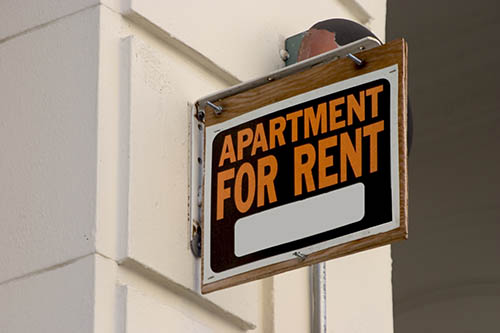
 Trusting another individual with your property can be nerve-wracking because it’s difficult to gauge how well they’ll care for their home from a viewing and rental application alone. However, there are several steps you can take to help ensure that you select responsible tenants that will take good care for your property while they live there.
1. Make Your Home Desirable
When creating your rental listing, show your property at its absolute best and list its attractive features. The listing should be well written with proper capitalization and full sentences, even if it’s only going on Craigslist. Include plenty of photos that are staged nicely to show the full potential of the home both inside and out.
If you want the best applicants, strive to be the best property! You need to attract tenants who are looking for a home rather than a crash pad.
2. Have A Thorough Application Process
Don’t be afraid to ask for in-depth information from your applicants. The more you know about them the more you can assess what kind of a tenant they’ll be. An application should ask for:
– full name
– the applicant’s job & their supervisor
– their income
– current address
– government identification (i.e. a photocopy of their driver’s license)
– next of kin or an emergency contact
– previous landlord references
– any additional info you think is necessary
3. Check References
One of the most important things you can do when choosing a tenant is check their references. At least one reference should be a past landlord, and it’s great to contact a current employer as well. Favor applicants who can prove they’ve been a good renter in the past and who seem to have reliable employment.
When calling references have a prepared list of questions. For past landlords you’ll want to ask about their cleanliness, if there was any damage to the property, noise complaints, or missed rent. When speaking to an employer, make sure to ask how long they’ve been working there, whether they’re a reliable worker, whether they’re respectful, and if they can see them continuing to work there for the long-term.
4. Meet Them!
Always meet potential tenants in person. See if they have a pleasant demeanor, if they’re easy to talk to and are polite to you, and whether they seem to take care of themselves. Trust your gut, if you have a bad feeling about someone then it may be best to keep looking.
Need more advice on income properties? Contact a your trusted real estate professional today.
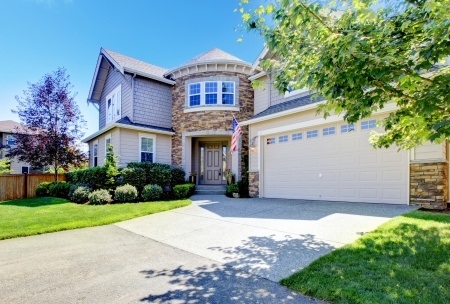 Last week’s economic reports included readings on the National Association of Home Builders Housing Market Index, Commerce Department releases on Housing Starts and Building Permits issued and weekly reports on new jobless claims and mortgage rates.
 Real estate may be one of the most important things that you will ever invest in, but it can also be a useful means of increasing your financial well-being. If you’re getting into the real estate game and are wondering how you can make use of investing in homes to improve your net worth, here are three ways you can successfully work towards a real estate investment portfolio that will make you proud.
 According to the National Association of Home Builders Housing Market Index for November, builder sentiment was unchanged at a reading of 63. Readings above 50 indicate that a majority of builders are confident about housing market conditions. Readings for three sub-indexes used to calculate the Housing Market Index Readings for builder confidence in current market conditions and market conditions within the next six months were posted at 69. The reading for buyer foot traffic in housing developments was 47. Buyer traffic has not reached the benchmark reading of 50 since the peak of the housing bubble approximately 10 years ago.
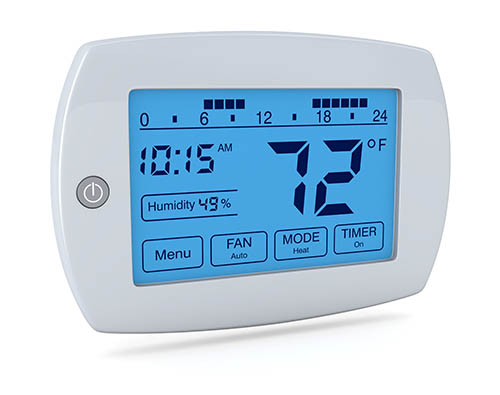 Do you believe that humans are changing the climate? As of today, the debate over carbon dioxide and climate change continues to rage. But regardless of your political standpoint, there’s always a case for reducing electricity use. Because who doesn’t like saving money, right?
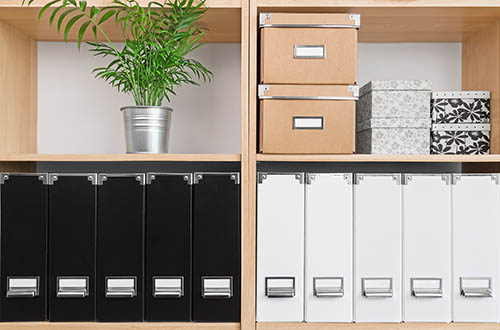 Even small spaces can feel spacious when the art of storage is mastered. Here are 7 inexpensive storage hacks to free up space in your home.