 There was a time when a higher percentage of people were married before they committed to buying a home together, but it’s a lot more common to co-habit and invest in a home together. If you’re considering the commitment of a mortgage without being married, here are some things to be aware of before you start searching the market.
Relationship Status Won’t Affect Your Rates
It might seem like there are greater risks involved if two individuals purchasing a property are not legally bound, but it actually makes no difference to the mortgage lender. If two people are buying a home together, the lender is going to be assessing their credibility based on their individual credit reports and financial history, not on their relationship to each other. While it may seem like co-habiting will have an impact, the proof as far as lenders are concerned is in the numbers.
What’s Your Credit History?
Most people are aware of their credit history, whether they’ve had financial hiccups in the past or are still paying off a significant amount of debt. However, it is more difficult for some to know the financial background of their partner, and this can be more common when it comes to co-habiting. Because the lender will be looking at both credit scores, if you or your partner have had financial issues in the past, it can have an adverse impact on your application. While you may have a nearly perfect credit history, if your partner does not this can make mortgage approval more difficult.
In The Event Of Separation
Home ownership can involve significant hurdles after a divorce, but there will still be some legal and financial issues to wade through if you’ve never been married. Since it’s likely that you won’t want to continue to co-habit, there’s the possibility that one party will have to buy the other out, which can be a sizeable financial burden. While this type of situation may never come to fruition, it’s important to be aware of what might occur so you can be prepared.
There can be a lot of complexities involved in co-habiting whether you’re married or not, but it’s important to have an awareness of your partner’s financial history and be prepared for financial hurdles.
 The springtime is known to be one of the best times to put your home up for sale. However, if you’re not necessarily planning on engaging a real estate agent, it’s important to be prepared for all of the hard work involved in putting your home up for sale. Whether you’re new to the market or you’ve never sold a home on your own before, here are some questions to ask yourself so you’re prepared for selling in the coming season.
 2017 started with good news; fixed mortgage rates were lower, but the national unemployment rate ticked upward and labor reports showed fewer openings for public and private sector jobs. Construction spending was higher in November.
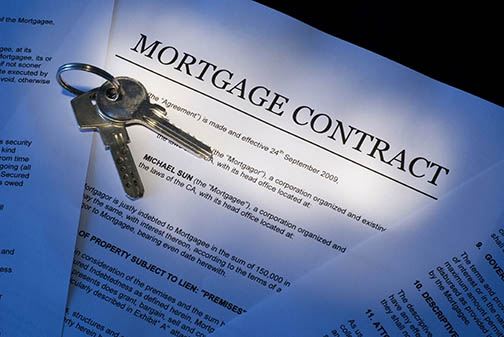 If you have a good credit history and are prepared to invest in a home, you may be feeling pretty confident about the mortgage process. However, it’s important to be aware that there are things that can have a negative impact on your application. Whether you’ve just submitted your documents or are getting close to it, here are some things you may want to avoid.
 There are so many things involved in moving into a new home in a different neighborhood that it can be easy to forget about the proximity of many nearby amenities. However, if you have children, the local schools available can make-or-break the decision on whether or not to invest in a house. If you’re wondering how you can find out more about the local school, let the following tips be your guide.
 There is a particular pleasure in a well-organized closet; not to mention the space and energy-saver that it becomes! And the best part is that you don’t need to spend tons of money to get a dapper closet space. A lot of the work is just thinking outside the (clothing) box.