
The PCE Index release—the Federal Reserve’s preferred inflation indicator—has shown favorable results. However, the overwhelming sentiment remains one of uncertainty due to the ongoing trade wars. With these conflicts still in full swing, inflation is expected to rise in the near future at a faster-than-anticipated pace. Following the recent trade truce with China, consumer sentiment has improved, though the long-term impact remains uncertain. As expected, consumer spending has declined noticeably, as the tariffs have led to short-term price increases.
PCE Index
The cost of living barely rose in April — and the rate of inflation slowed even closer to prepandemic levels — but it’s unclear whether the recent progress can be sustained as the trade wars drag on. The back-to-back monthly inflation readings were the softest since the pandemic in 2020. The 12-month rate of inflation, meanwhile, slowed to 2.1% from 2.3% and also matched the lowest level since the pandemic.
Consumer Sentiment
A survey of consumer sentiment improved in late May on some signs that the tariff war with China might not be as damaging for the economy as feared. The second of two readings of the consumer sentiment survey rose to 52.2 from 50.8 in early May, the University of Michigan said Friday. That matches the sentiment level in April.
Consumer Spending
Americans became more cautious spenders in April after the Trump administration jacked up U.S. tariffs and the stock market plunged. Now the big question is what they will do next as the trade wars die down. Personal spending rose a modest 0.2% last month, the government said Friday, matching the forecast of economists polled by The Wall Street Journal.
Primary Mortgage Market Survey Index
• 15-Yr FRM rates saw an increase of 0.02% for this week, with the current rate at 6.03%
• 30-Yr FRM rates saw an increase of 0.03% for this week, with the current rate at 6.89%
MND Rate Index
• 30-Yr FHA rates saw a decrease of -0.08% for this week. Current rates at 6.45%
• 30-Yr VA rates saw a decrease of -0.07% for this week. Current rates at 6.47%
Jobless Claims
Initial Claims were reported to be 240,000 compared to the expected claims of 230,000. The prior week landed at 223,000.
What’s Ahead
A strong release week is upcoming with expected manufacturing reports from ISM, S&P Global Manufacturing to denote where producers stand. Following that is the Beige Book and Non-farm Payrolls. This will help indicate the direction of inflation and response to the tariff policies.
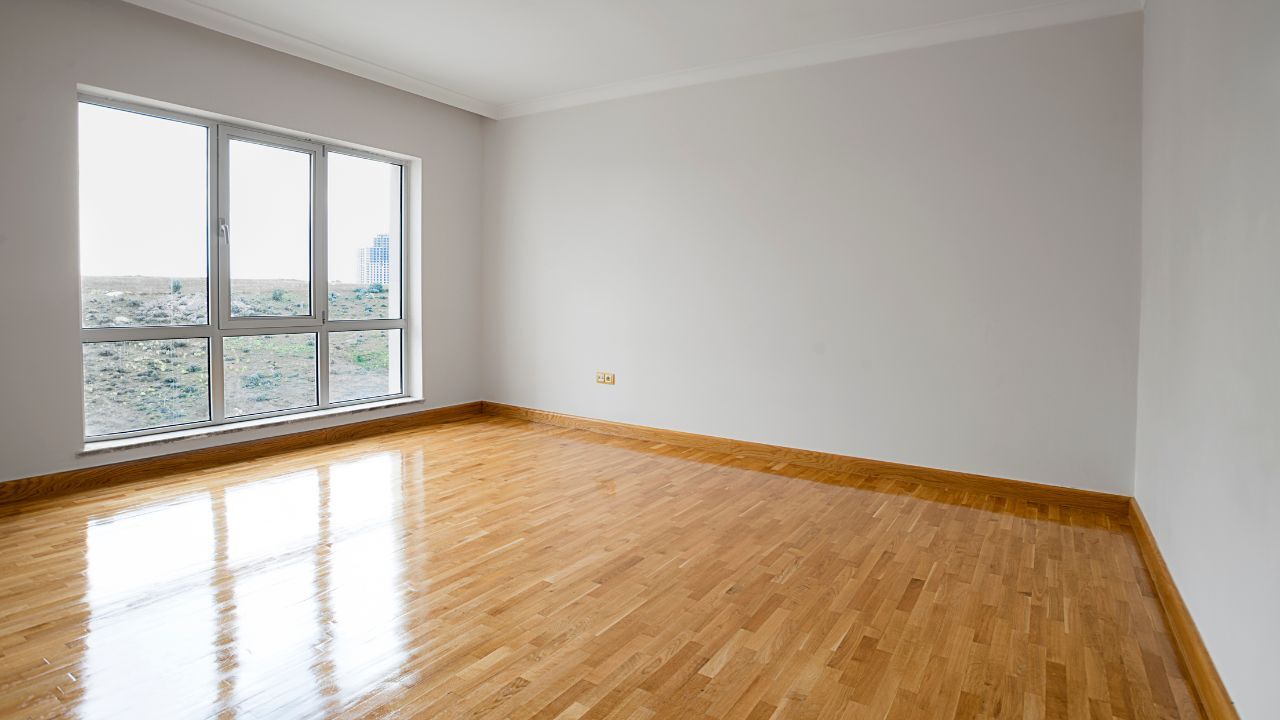 Selling a home without furniture can be challenging. Empty rooms can feel cold, echoey, and impersonal, making it difficult for buyers to picture themselves living there. While full-scale staging can work wonders, it’s not always in the budget or timeline. The good news? You can create warmth, character, and connection using a few simple tricks.
 When selling your home, you put your trust in your own real estate agent to price it right, market it well, and guide you through negotiations. But what many sellers don’t realize is that the buyer’s agent, someone you didn’t hire, can also impact your success. And unfortunately, if that agent is inexperienced, unresponsive, or unprofessional, it could hurt your sale more than you think.
 When you’re preparing to sell your home, you likely focus on everything within your property line, cluttering, staging, repainting, and boosting curb appeal. But what if the one thing standing between you and a solid offer is not your house at all?
 This Memorial Day, we pause to remember the brave men and women who gave their lives in service to our country. Their courage, sacrifice, and commitment to freedom have made it possible for all of us to pursue our dreams, including the dream of home ownership.