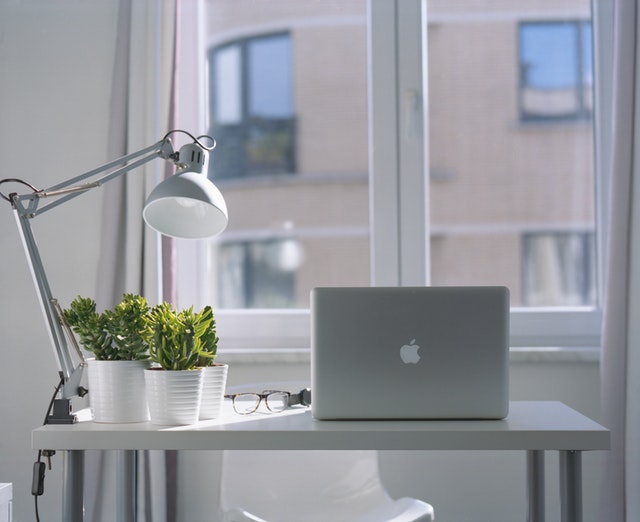
 Do you think that you don’t have the space for a home office? Maybe you are under the impression that you need an extra bedroom or spare room for a workspace.
An entire room is not necessary for an office. All that it takes is a little bit of creativity to carve out an office space in any home. Here are some home office ideas for smaller areas.
Here are some smart home office ideas that prove you don’t need to have a lot of space to have a home office.
Office Nook
If you have a small nook located near a window, close off the space with a curtain. This move will allow you to separate the home office area from the rest of the room. Use a subtle pattern on the curtain so that it blends in with the rest of the room. When not in use, you can just close the curtain.
For small spaces, simplicity is the key. So, add just the essentials to your little office nook. A small desk with some drawers for office supplies should suffice just fine.
Secret Under-The-Stairs Office
The space underneath a flight of stairs is valuable real estate that often goes unused. This area can be the ideal spot for a small home office. Just add a floating shelf and a cork board above the desk. A built-in cabinet can be used to add useful storage space.
Spare Closet Home Office
Do you have an extra closet or pantry that you are not using? If so, then you can make that space work for you. There are just a few things that you’ll need to do to turn any closet into an office space. First, take the doors off. This step will add more room. Next, paint the interior of the closet a light color to add brightness to the space. Add some storage shelves and a built-in desk, and you have with the perfect workspace.
Corner Office
Got a vacant corner in your home? Turn that space into a mini office. If you have a corner with a view, that is even better. You can purchase a corner desk pretty reasonably. Add a chair, and a few office accessories and you are good to go. To the make the most of the space, consider adding floating shelves to each side of the corner.
Implement these simple ideas to maximize your space and have an in-home office that you love!
If you have your heart set on a designated office space and you are in the market for a new home, make sure to tell your trusted real estate professional to add it to your must-have list.
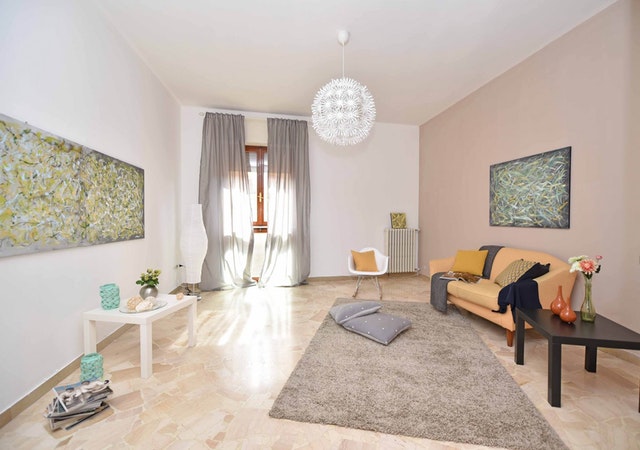
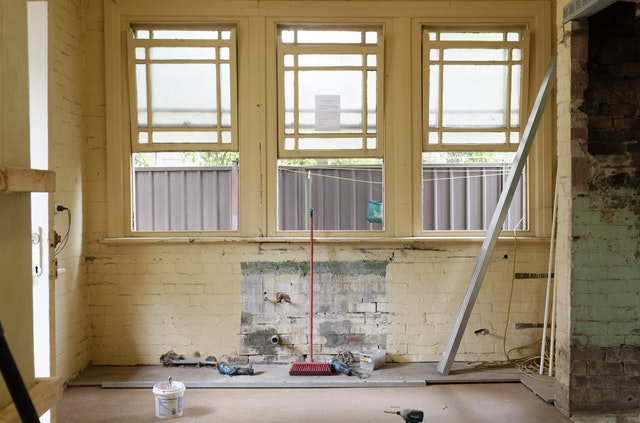 Popular TV shows like Fixer Upper and Property Brothers have brought the charms of owning a fixer upper to light. A fixer-upper can be a great option if you are prepared for the experience of owning a house that needs work and time.
 Last week’s scheduled economic releases included readings from the National Association of Home Builders and Commerce Department readings on housing starts and building permits issued. Weekly readings on mortgage rates and new jobless claims were also released
 Many homeowners don’t take advantage of simple measures to reduce energy bills. A survey by SaveOnEnergy found that nearly 50 percent of homeowners have not switched their regular light bulbs to energy saving bulbs. This simple measure can save more than $180 a year on electric bills.
 Whether you are a homeowner looking to get the maximum return on investment, a buyer interested in fair market value or an industry insider grappling with the moving parts of the real estate industry, these are some trends and predictions you should know about.