 Last week’s economic reports included readings from Case-Shiller, Commerce Department reports on pending home sales and construction spending and an FOMC statement. Labor sector reports on job creation and the national unemployment rate were released along with the monthly Consumer Confidence Index. Weekly reports on mortgage rates and first-time jobless claims were also released.
Case-Shiller: Home Price Growth Holds Steady in May
Home price analysts Case-Shiller reported national home prices rose 0.40 percent in May and were 6.40 percent higher year-over-year. Case-Shiller’s 20-City Home Price Index was 0.20 percent higher in May and 6.50 percent higher year-over-year. Only seven cities reported home price growth in May, but home prices were higher than gains reported in April.
Home price gains were highest in in Seattle, Washington with a seasonally-adjusted year-over-year gain of 13.60 percent: Las Vegas, Nevada; reported seasonally-adjusted home price growth of 12.60 percent. San Francisco, California reported a seasonally-adjusted annual home price growth of 10.90 percent. Analysts said that home price growth may be slowing, but it grew faster than wages and inflation, which continued to present challenges for first-time and moderate-income hone buyers.
Pending home Sales Grow as Construction Spending Dips
The National Association of Realtors® reported an index reading of 106.9, which was 2.50 percent lower than in May. June was the sixth consecutive month that year-over-year pending sales were lower than in the preceding year-over-year period. Pending home sales increased by 0.90 percent in June as compared to a negative reading of -0.50 percent in May.
Construction spending fell by 1.10 percent in June as compared to 1.30 percent growth in May. Analysts expected construction spending to rise by 0.90 percent in June. Home builders continued to face headwinds such as rising materials costs, labor shortages and slim supplies of buildable lots.
Mortgage Rates, Jobless Claims Rise
The Federal Open Market Committee of the Federal Reserve announced its decision not to raise the federal funds rate, which held steady at a range of 1.75 – 2.00 percent. This news did not stop average mortgage rates from moving up. The average rate for a 30-year fixed rate mortgage rose six basis points to 4.60 percent; the average rate for a 15-year fixed rate mortgage also rose six basis points to 4.08 percent. Rates for 5/1 adjustable rate mortgages also rose six basis points and averaged3.93 percent.
Weekly jobless claims rose to 218,000 new claims and fell short of analyst expectations of 220,000 new claims filed, which was based on the prior week’s reading of 217,000 new claims.
Unemployment rate Falls Below 4 Percent
July’s National Unemployment Rate dipped to 3.90 percent and matched analyst expectations. In May, unemployment reached 4.00 percent.
Jobs grew in July with ADP posting 219,000 new private-sector jobs and the Commerce Department reported 157,000 new public and private sector jobs added in July. Analysts expected 195,000 new jobs to be added to Non-Farm Payrolls based on 248,000 mew jobs added in June.
The University of Michigan reported that its Consumer Confidence Index gained 0.30 points for an index reading of 127.40 percent.
What‘s Ahead
This week’s scheduled economic reports include readings on consumer expectations, July job openings, inflation and weekly reports on mortgage rates and new jobless claims.
 When buying a house in a market that favors sellers, buyers must be able to move quickly. Mortgage pre-approval is critical to this. Here are some tips buyers can use to get approved fast.
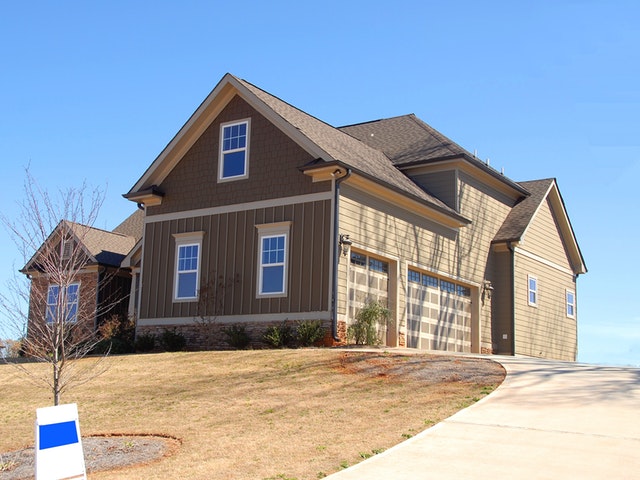 On the surface, a short sale seems like the perfect deal. However, before you take the plunge, you need to understand how this type of home purchase works.
 Last week’s economic readings included reports on sales of new and pre-owned homes, mortgage rates and first-time jobless claims.
 If you are a home owner trying to reduce your carbon footprint, it’s time to make some changes to your property. The more you can do to reduce energy costs, increase efficiency and reduce waste, the less impact you and your home will have on the earth.