 Today, technology has come a long way, and this includes refrigerators. There are many people who have smartphones, home connected devices, and smart TVs. Now, there are smart refrigerators as well.
While a smart refrigerator is still a relatively new addition to the market, this gives users more control over their fridges and how they work. For example, it is now possible for homeowners to use a smart fridge to send and receive information using an electronic screen on the exterior of the refrigerator. How does this technology work and why is it so important?
What Can Homeowners Do With The Screen On A Fridge?
There is a lot that homeowners can do with the information on their refrigerators. For example, they might be able to put digital notes on the fridge. That way, they do not have to worry about forgetting something important. Homeowners can also use this screen to watch TV when they are in the kitchen. This could save someone the trouble of having to put a TV in the kitchen. Then, homeowners can use their refrigerators to listen to music as well. Their refrigerators can also send an alert when the homeowner is running out of something or when there is low ice. Homeowners might be able to do all of this without opening the door.
Major Appliance Companies Are Now Offering Smart Fridges
Today, there are numerous major appliance companies that are offering smart fridges. For example, GE offers an app that lets people know when the door is open, when the water filter has to be replaced, or when the ice maker is empty. LG offers a smart fridge that allows people to order groceries and turn on music. Samsung also has a Family Hub fridge that allows people to look up recipes and write notes before sending them to someone’s phone. Homeowners can also use this feature to create a new shopping list. All of this has the potential to change the way homeowners interact with their refrigerators moving forward. There are a lot of local stores that carry the latest in smart refrigerators, which could make a major difference when it comes to the daily routine in the kitchen.
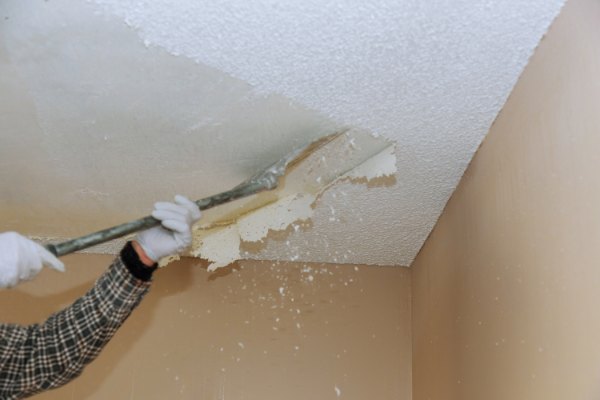 During the 1970s, home building picked up on the idea of a cheap but effective way to reduce sound travel from one floor to the next: popcorn ceilings. Essentially, after the drywall was installed, a finisher would come in with a plaster mix and spray on the ceiling drywall for a bit of a lumpy effect. The disparate clumps and bumps not only created a texture to an otherwise flat-looking ceiling, they also helped break up sound waves. After being spray-painted in white, the ceiling texture essentially blended with the rest of the room to produce a finished look. Popcorn ceilings were such a common approach, entire home subdivisions had cookie-cutter ceiling work done by teams on new homes.
 Last week’s scheduled economic reporting included readings on consumer prices, retail sales, and the University of Michigan’s preliminary Consumer Sentiment Index. Weekly readings on mortgage rates and jobless claims were also released.
 Those who are taking out a loan for a home will probably be required by the lender to purchase home insurance. Even those who don’t need a loan will still need to make sure that they protect their property accordingly with a comprehensive home insurance policy. This is important for making sure homeowners have the money to replace their belongings and repair their property in the event of a disaster. At the same time, homeowners do not want to spend more than they must for a home insurance policy.
  Now is a great time to sell a home. Inventory is down to historic lows, according to recent reports, which means it’s a sellers’ market. Yes, many homeowners are reluctant to put their homes on the market for a variety of reasons. However, right now there are four big incentives for homeowners to sell, despite these objections.
 Title insurance is one of the few types of protection policies available to homebuyers and one that is often overlooked because of its optional nature.