 Last week’s scheduled economic news included readings on sales of new and previously-owned homes and weekly reports on jobless claims and mortgage rates.
March Sales of Previously-owned Homes Dip; New Home Sales Rise
Sales of single-family homes fell in March as demand for homes exceeded availability. 6.01 million previously-owned homes were sold in March on a seasonally-adjusted annual basis; analysts expected a pace of 6.11 million sales based on February’s reading of 6.24 million sales of existing homes. The March reading for sales of pre-owned homes was 3.70 percent lower year-over-year and was the lowest sales pace reported since August 2020.
High demand for homes coupled with low inventories of available homes constricted sales. Lawrence Yun, chief economist of the National Association of Realtors® said, “Sales for March would have been measurably higher had there been more inventory.” Mr. Yun also addressed affordability concerns arising from lean inventories of homes and high demand. “Without an increase in supply, the society’s wealth division will widen with homeowners enjoying sizable equity gains while renters will struggle to become homeowners.”
The average price of a single-family home in the U.S. rose to $329,100 in March, which indicates year-over-year growth of 17.20 percent in home prices. While a six-month supply of homes for sale indicates an average inventory, the March inventory of homes for sale rose to a 2.10-month supply from February’s 2.0- month inventory of homes for sale.
Shortages of existing homes for sale boosted March sales of new homes, which sold at a seasonally-adjusted annual pace of 1.02 million sales. Analysts expected 888,000 new homes to be sold year-over-year in March based on February’s sales pace of 846,000 new homes sold. Rapidly rising materials costs created obstacles for builders and limited their ability to meet the need for affordable homes, but they raced to meet the ongoing demand for homes.
Mortgage Rates Mixed; Jobless Claims Fall
Average mortgage rates fell below three percent last week; the rate for 30-year fixed-rate mortgages dropped by seven basis points to 2.97 percent. Rates for 15-year fixed-rate mortgages averaged 2.29 percent and were six basis points lower. Rates for 5/1 adjustable rate mortgages rose by three basis points to an average rate of 2.83 percent.
Jobless claims were lower last week with 547,000 new claims filed; analysts expected 603,000 initial claims filed. 586,000 first-time claims were filed in the prior week. Claims were also lower for ongoing claims filed. 3.67 million continuing jobless claims were filed as compared to 3.67 million continuing claims filed in the prior week.
What’s Ahead
This week’s scheduled economic reports include readings from Case-Shiller Home Price Indices, data on pending home sales, and the University of Michigan’s consumer sentiment index. Weekly readings on mortgage rates and jobless claims will also be published.
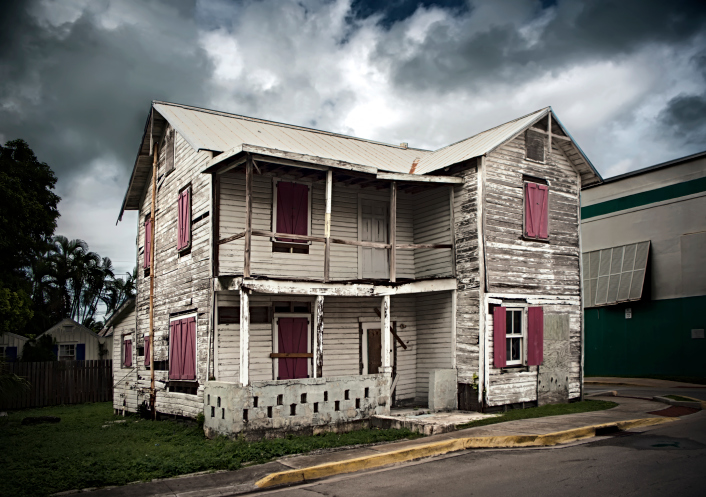 When you buy a home, you may have dreams of settling into a beautiful new space that meets your needs and that your family can feel comfortable in. While many will enjoy this vision of domestic tranquility after taking ownership of their dream home, others have had their dream turn into a veritable nightmare due to some simple mistakes or oversights on their part. By understanding these mistakes, you can avoid making them yourself.
 Whether you are preparing to purchase your first home or it has been many years since you last walked through the home buying process, you may be starting to feel overwhelmed at the thought of all of the work that lies in front of you. From concerns about finding the right home to the physical act of relocating all of your belongings after the closing, there is certainly a lot to think about. While each home buying transaction is unique, the most successful home buyers have typically adopted a few behaviors. You may keep these in mind to help you navigate through the process with success.
 You may have more options than you think when it comes to securing a mortgage for your new home. While many buyers opt for conventional financing, another option or program might be a better choice for you, depending on your personal and financial situation. Learning more about FHA, USDA, and VA loans ensures you get the best possible deal for your mortgage and that you secure the loan that you need for your new home. Here’s what you need to know about these useful mortgage options.
 In 2019 many people expected that the home lending market was going to eventually grow more expensive. Instead, 2020 spent its entire 12 months becoming more affordable when it came to financing a personal home, moving in the opposite direction of what was expected. Not only did the loan cost drop break previous records, but it also presented an additional opportunity for homeowners to reposition and take advantage of lower borrowing costs again.
 Last week’s economic news included readings from the National Association of Home Builders on housing markets along with Commerce Department readings on housing starts and building permits issued. Fed Chair Jerome Powell appeared on 60 Minutes. Weekly readings on mortgage rates and jobless claims were also released.