 Deciding whether to buy or build a house can be a complex decision that depends on several factors. Here are some pros and cons to consider:
Pros of Buying a House:
Convenience: Buying a house is generally quicker and more convenient than building one. You can move in as soon as you close the deal, without having to wait for construction to be completed.
Location: When you buy a house, you have the opportunity to choose a home in an established neighborhood with existing amenities such as schools, parks, shopping centers, and other essential services. You can choose a location that is convenient for your lifestyle.
Cost: Depending on the location, buying a house may be less expensive than building a new one. You can often find great deals on homes that have been on the market for a while, or in areas where the real estate market is more favorable to buyers.
No Hassle of Design and Construction: When you buy a house, you don’t have to worry about designing the home or supervising construction. You can focus on personalizing the house according to your taste, rather than starting from scratch.
Resale Value: Buying an established home often means it already has a resale value, making it easier to sell in the future.
Cons of Buying a House:
Limited Customization: When you buy an existing house, you may have limited options for customization. You’ll need to accept the home’s layout, features, and design unless you’re willing to invest additional time and money to make renovations.
Unpredictable Market: Real estate markets can be unpredictable, and the value of your home may fluctuate depending on economic conditions. There’s always a risk that the value of your home may decrease in the future.
Maintenance: As a homeowner, you’ll be responsible for maintaining and repairing the home, which can be costly. Older homes may require more maintenance than newer ones, which can add up over time.
Hidden Problems: Even with a thorough home inspection, there may be hidden problems with the house that you only discover after moving in, such as foundation issues, electrical problems, or water damage.
Pros of Building a House
Customization: You can design the house to your exact specifications, ensuring that it meets your unique needs and preferences.
New materials and technology: You can take advantage of the latest building materials and technology, which can make the house more energy-efficient and environmentally friendly.
No hidden problems: Since the house is new, there should be fewer hidden issues or problems to deal with.
Cons of Building a House
Cost: Building a house can be more expensive than buying an existing one, especially if you choose high-end materials or features.
Time-consuming: Building a house can take months or even years to complete, which means you’ll need to be patient and flexible.
Uncertainty: There may be unexpected delays or complications during the construction process, which can be frustrating.
Buying a house can be a smart and practical option for many people, especially those who prioritize convenience, location, and cost savings, buying a house is a big decision that requires careful consideration of both the advantages and disadvantages. It’s important to do your research and weigh your options before deciding.
 Buying land for a new home is a significant investment, so take your time, do your research, and make an informed decision. It’s essential to do your due diligence and research before buying land to build a new home. Here are some important things you shouldn’t forget:
 March readings for the S&P Case-Shiller National Home Price Index showed that month-to-month home prices rose by 0.40 percent in March. The 20-City Home Price Index, which is considered a benchmark indicator by U.S. real estate professionals, rose by 0.50 percent month-to-month in March but posted a negative reading of -1.10 percent year-over-year. Analysts said that the slim supply of homes for sale drove up prices as demand for homes exceeded available inventory.
 Crafting a counter-offer that doesn’t scare away a potential home buyer can be tricky. Here are five tips to help you navigate the negotiation process while keeping the buyer interested:
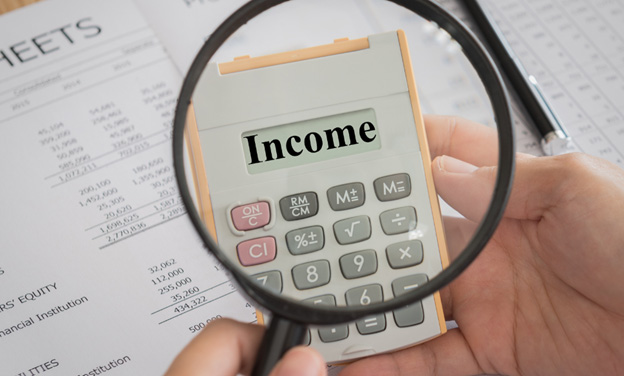 It is unlikely that an unconventional job will hurt your mortgage approval, as long as you can demonstrate a consistent and stable income stream that meets the lender’s requirements. Lenders are primarily concerned with your ability to repay the mortgage, and they will evaluate your income and employment history to determine whether you are a suitable candidate for a loan.
 Last week’s economic news included readings on new and pending home sales and inflation. The final monthly reading for May consumer sentiment was released along with weekly readings on mortgage rates and jobless claims.