 According to Case-Shiller national and 20-city home price indices for October, home prices continued to rise. National home prices rose 0.70 percent for the three months ending in October. Year-over-year, national home prices increased by 6.20 percent. The 20-City Home Price Index also rose by 0.70 percent in October and reported a year-over-year increase of 6.40 percent.
The top three metro areas in the 20-City Index were Seattle, Washington with a year-over-year increase of 6.40 percent; Las Vegas Nevada followed with year-over-year home price growth of 10.20 percent. San Diego, California had the third highest home price growth rate at 8.10 percent year-over-year.
The year-over-year percentage increase was 1.30 percent below the all-time high reading for the 20-City Index.
Home Price Growth, Sales Could Face Headwinds in 2018
David M. Blitzer, CEO of the S&P Indices Committee, said that 2018 may bring challenges to home price growth. Mr. Blitzer said that while strong labor markets, economic growth, and low mortgage rates were major factors driving home price growth, higher mortgage rates are expected next year. Rising rates would make buying a home less affordable for some. Home price growth continued to outstrip inflation and income growth.
Mr. Blitzer cited an Urban Institute report that indicated that high-priced metro areas may compel would-be home buyers to consider renting. High-demand metro areas are subject to high rates of buyer competition and bidding wars can drive affordable home prices beyond the reach of first-time and moderate-income buyers. Significant numbers of buyers turning to rentals could drop the demand for homes and possible ease the rate of home price growth.
Analysts expected home prices to continue increasing due to low supplies and high demand. Millennials are entering their home-buying years and relatively low mortgage rates have supported affordability, but higher mortgage rates and continued competition from investors and cash buyers could stifle demand for homes in the new year.
 Do you find yourself itchy and sneezing after an encounter with a friendly, furry dog? You are not alone. The CDC estimates that around ten percent of Americans suffer from allergies related to dogs or cats. But, of course, that is no reason not to enjoy the love of a dog. So, if you are ready to push your suffering aside and adopt a furry pal, below are a few breeds that are perfect for those prone to allergies.
 Last week’s economic reports included readings on NAHB homebuilder confidence, housing starts, building permits issued and sales of previously-owned homes. Weekly releases on mortgage rates and new jobless claims were also released.
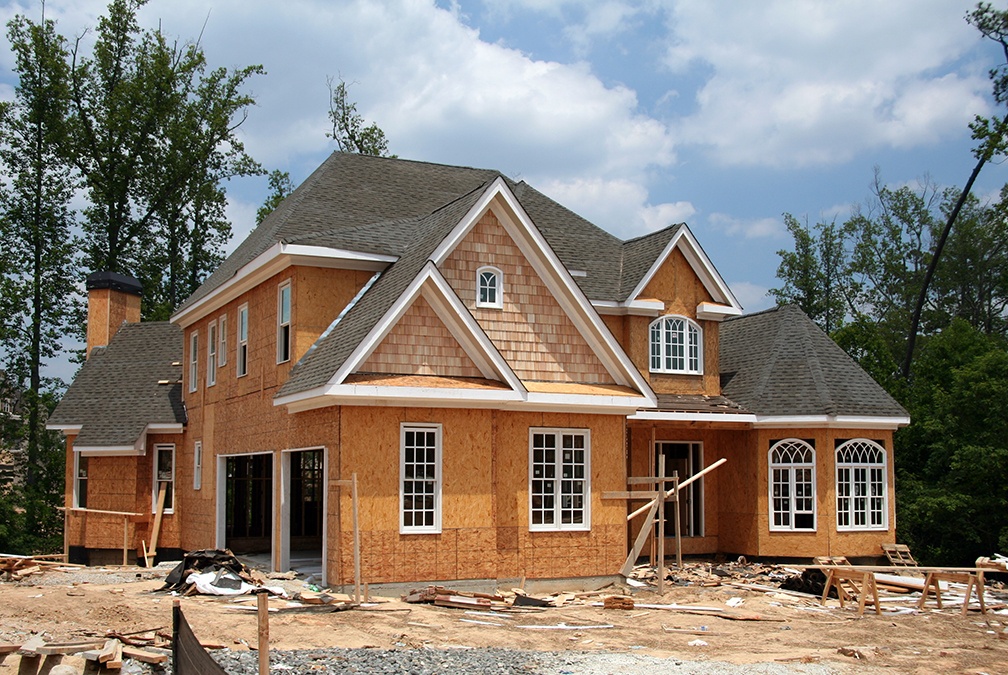 Are you in the market for a new house? Whether you are a first-time home buyer or are upgrading to get more space, you will need to choose between buying an existing home or building a brand new one. As you might imagine, there are pros and cons to each kind of home. But if it is in your budget, you may want to lean towards a newer home over an older one. Let’s explore three reasons why new construction homes are better than existing homes.
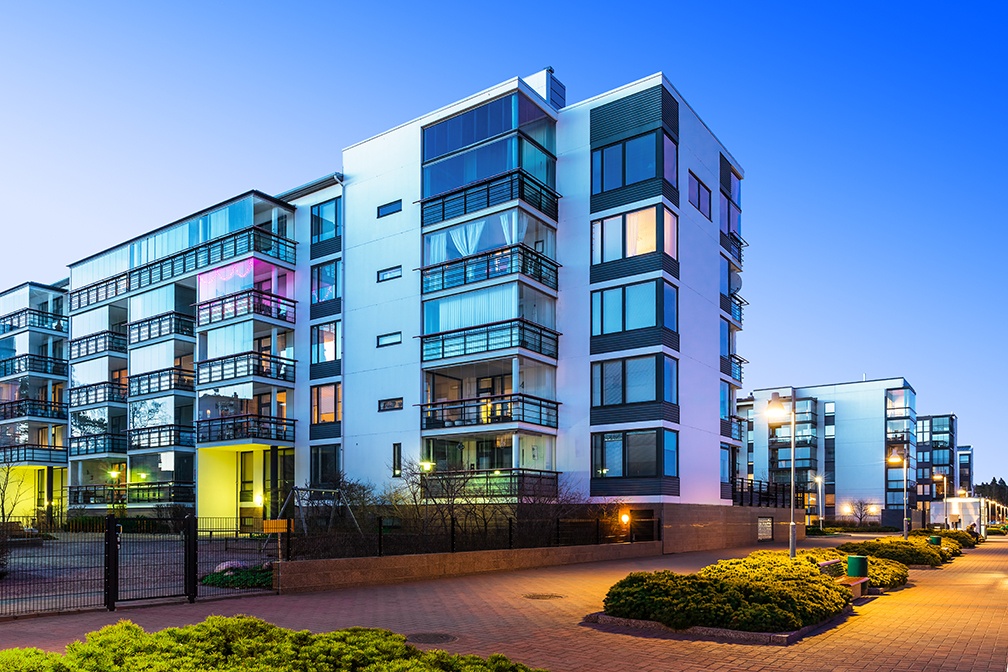 Did you recently receive your annual notice that the rent is going up? If so, you’re not alone. Millions of renters are seeing more and more of their income drained away due to higher rents. To make matters worse, every dollar in rent is one that you are not saving, investing or using to build your net worth. If you’re feeling the pinch of higher rents, it might be time to buy your first starter home.
 Home builders surveyed by the National Association of Home Builders expressed their highest level of confidence in housing markets since 1999. The index reading for housing market conditions in December hit 74, which exceeded November’s reading of 70. Analysts expected a flat reading of 70 for December. Readings over 50 indicate improvement in housing market conditions.