Sunrise Homes & Renovations, Inc.

  • Home
  • About
    • About Us
    • Recognition
      • Disaster Contractors Network
      • US EPA Certified
    • Accessibility Statement
  • Example Models
  • Renovations
  • Resources
    • First Time Home Buyer Tips
    • First Time Home Seller Tips
  • Blog
  • Contact

How The 2018 Tax Changes Can Affect Your Mortgage

April 12, 2018 by Rhonda Costa

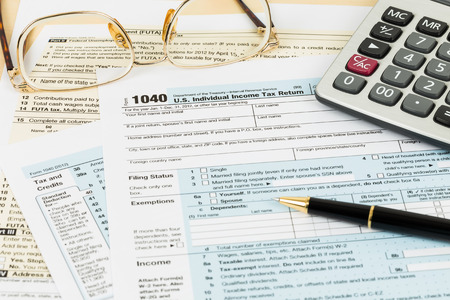
How The 2018 Tax Changes Can Affect Your MortgageWhen the chatter was at its peak on the 2018 tax law changes being proposed, one of the big areas of concern for homeowners was the elimination of the mortgage interest deduction. Right behind that issue was a similar treatment with regards to property tax deductions.

As the rumors swirled and Congress moved, many feared both deductions had finally met their day and were going to be entirely eliminated, resulting in a major financial hit that many homeowners and particularly those in high real estate cost states would have felt painfully. As it turned out, there’s no reason to panic or suddenly dump titled real estate just because it has been bought with a mortgage. 

Yes, both issues were impacted by the 2018 tax law changes, but neither the mortgage interest deduction nor the property tax deduction were eliminated entirely. Instead, they were modified.

The changes include:

  • Mortgage interest deduction – the new laws cap the eligible debt to $750,000. While old loans originated prior to the law change date are still eligible up to $1 million, new mortgages created after the enactment date are caught in the lower universe. However, being realistic, most homebuyers are not in the bracket that afford a $750,000 plus priced home except maybe in a few communities such as New York City or the San Francisco/Bay Area in California. So the change basically means business as usual for 9 out of 10 homeowners in the U.S.
  • Real estate property taxes – total state and local taxes eligible for deduction are now capped at $10,000. This is where some homeowners could feel a pinch as a typical home in higher cost states easily generates property tax levels of $5,000 to $7,000 for a $300,000 home. So those units assessed a higher value by tax auditors will likely feel this new limitation take effect.
  • The standard deduction increase – remember, the above items are only useful to the extent that a tax filer itemizes his deductions. With a standard deduction now at $12,000 for an individual and $24,000 for a married couple, filing jointly, the option to itemize could go away entirely if the standard deduction provides a higher level of tax savings overall. And then that makes the above two deductions entirely moot and useless. Of course, it’s not entirely a plus since the personal exemption is also eliminated, thus reducing the benefit of the higher standard deduction by as much as $4,150 per person. In essence, the change is a wash, but could be enough to bar use of itemization, which would hurt greatly.

So the changes did not wipe out any benefit entirely (except the personal exemption). Instead, the real impact depends on which change applies to a specific taxfiler’s situation.

This is why two homeowners in the same town with the same house and market value could end up having very different tax results with the 2018 changes. Because there is so much variance.

As always, work with a trusted tax professional in order to understand how these changes will affect your personal tax situation.

Filed Under: Mortgage Tagged With: Mortgage, Tax Deduction, Taxes

Questions and Answers Regarding The Veterans Loan Program

April 5, 2018 by Rhonda Costa

Questions and Answers Regarding The Veterans Home Loan ProgramOwning a home is important to military veterans just like the majority of other consumers.  The Veteran’s Administration has provided an exceptional benefit for those who have served (or are currently serving) in any of the armed forces. And this VA Loan Program is helping thousands of service members achieve the goal of home ownership.

There are a number of questions that come up regarding the fees and qualifications of the VA Loan Program.  

What Are The Specific VA Fees?

Many veterans and active military personnel like the fact that VA loans don’t require private mortgage insurance (PMI). PMI has served as a thorn in the side countless home buyers who couldn’t manage a 20 percent down payment. The good news is that VA loans don’t requre mortgage insurance, even with no down payment at all.

To compensate for the absence of mortgage insurance, the government charges most borrowers a VA Funding Fee. Depending on individual circumstances and the type of funding you need (first-time home purchase versus refinance, for example), this fee can range from.5 percent to 3.3 percent of your mortgage amount.

Fortunately, applicants on disability and surviving spouses may be exempt from this requirement. 

Are There Any Administrative Concerns Regarding VA Home Loans?

VA loans are generally as easy to attain as any other government or conventional mortgage loan products, but they do have some unique qualifications to consider. These issues just need to be known and addressed appropriately throughout the transaction to ensure it goes smoothly.

For instance, if you and your spouse both serve in the military and you want to buy a home together, each of your VA entitlements must go through separate processing and approval procedures.

A VA loan also calls for a specific type of home appraisal called a Minimum Property Requirements (MPR) inspection. This should not be confused with the traditional home inspection. The MPR is the required appraisal by an independent VA appraiser. These appraisers typically dig into the home’s tiniest details, which can also be helpful by uncovering potential issues with the home.

Any home improvement or construction work currently under way may delay the approval process. You can minimize these issues by making sure that both your lender and your REALTOR have extensive experience in working with VA loans.

How Can A VA Loan Save Me Money?

Properly finessed, a VA loan for the right amount, and at the right interest rate, can edge out conventional loans. For instance, that VA Funding Fee, unwelcome as it might seem, could cost substantially less than the down payment you might otherwise put down on a conventional loan — without the need to pay mortgage insurance premiums for the first several years of your home ownership.

While the monthly mortgage payments might not look dramatically different on paper, even a savings of $100 a month can make an enormous difference to your financial health over the life of your mortgage loan.

VA loans can indeed provide some important benefits and buying power for our nation’s past and present military service professionals. Take the time to examine all your options so you can obtain the mortgage loan package that best serves your specific needs and goals.

Ultimately, however, you should probably sit down with your trusted real estate professional who can advise you on your wisest course of action.

Filed Under: Mortgage Tagged With: Mortgage, VA, Veterans

Selling Your Home FHA? Learn These Tips To Ensure A Smooth Closing

April 4, 2018 by Rhonda Costa

What Are The Requirements To Sell A Home Using FHABefore an owner can market a property to buyers that want to use a FHA loan, he will want to familiarize himself with the FHA’s standards. FHA won’t insure loans on just any property. While their standards aren’t as stringent as they used to be, a home needs to be in relatively good condition to qualify for FHA financing.

Location and Lot

To qualify for FHA financing, the property has to be located on a road or easement that lets the owner freely enter and exit. The access also has to be paved with a surface that will work all year — a long dirt driveway that washes out in spring won’t qualify.

The FHA also wants the lot to be safe and free of pollution, radiation and other hazards. For that matter, it also needs to provide adequate drainage to keep water away from the house.

Property Exterior

The FHA’s requirements for making a loan start with the home’s roof. To pass muster, the house must have a watertight roof with some future life left. In addition, if the roof has three or more layers of old shingles, they must all be torn off as part of the replacement process.

The property’s exterior has to be free of chipped or damaged paint if the home has any risk of having lead paint. Its foundation should also be free of signs of exterior (and interior) damage. It also needs full exterior walls.

Property Interior

The property’s interior also needs to be inspected. FHA standards require that the home’s major systems be in good working order. Bedrooms should have egress routes for fire safety and the attic and basement should be free of signs of water or mold damage.

The bottom line is that the FHA wants to make loans on homes that borrowers can occupy. This doesn’t mean that a home has to be in perfect condition to be sold to an FHA mortgage-using borrower. It just needs to be a place that they can live.

Contact your trusted real estate professional to discuss these issues as well as any other questions regarding the sale of your home.


Filed Under: Home Seller Tips Tagged With: FHA, Home Sales, Mortgage

What Important Items Can Upset My Mortgage Pre-Approval Status?

March 22, 2018 by Rhonda Costa

What is a mortgage pre-approvalWhen you are purchasing a home, your lender may recommend you obtain a mortgage pre-approval before you find the home of your dreams. There are some benefits to being pre-approved before you find a home, but oftentimes, people confuse pre-qualifications with pre-approvals.

So the question many buyers have is what exactly is a mortgage pre-approval? In a nutshell, it’s when the lender provides you (the buyer) with a letter stating that your mortgage will be granted up to a specific dollar amount.

What Do I Need For Pre-Approval?

In order to obtain a pre-approval for your home purchase, you will have to provide your lender all of the same information you would need to show for qualifying for a mortgage. This means providing tax returns, bank statements and other documents that prove your net worth, how much you have saved for your down payment and your current obligations.

What Conditions Are Attached to a Pre-Approval?

Generally speaking, a pre-approval does have some caveats attached to it. Typically, you can expect to see some of the following clauses in a pre-approval letter:

  • Interest rate changes – a pre-approval is done based on current interest rates. When rates increase, your borrowing power may decrease
  • Property passes valuation and inspection – your lender will require the property you ultimately purchase to come in with a proper appraisal and meet all inspection requirements
  • Credit check requirements – regardless of whether it’s been a week or six months since you were pre-approved, your lender will require a new credit report. Changes in your credit report could negate the pre-approval
  • Changes in jobs/assets – after a pre-approval is received, a change in your employment status or any substantial assets may result in the pre-approval becoming worthless

What Items Can Change My Mortgage Pre-Approval Status?

One of the major issues that affect some borrowers as they are preparing to purchase their new home is financing large ticket items before the home purchase loan is completely funded.  Even if you are buying new furniture or other items for the home, it’s best to wait until after your home loan is entirely complete before purchasing any of these new items.

Work changes can also drasitically affect your pre-approval status.  Make sure your loan professional is well aware of any changes well in advance of them happening in order to plan effectively.  There are ways to work with job changes but it is a delicate matter during the mortgage underwriting process.

Getting pre-approved for a home mortgage may allow you more negotiation power with sellers and may help streamline the entire loan process. It is however important to keep in mind there are still things that may have a negative impact on actually getting the loan.

It is important to make sure you keep in contact with your trusted real estate professional, especially if interest rates increase or your employment status changes after you are pre-approved.

Filed Under: Mortgage Tagged With: Assets, Mortgage, Pre-Approval

What Are The Benefits And Drawbacks Of Putting 20 Percent Down On A Home Purchase?

March 20, 2018 by Rhonda Costa

Should You Put 20 Percent Down On Your Home Purchase?Several generations ago, lenders required home buyers to have a 20 percent down payment in order to get a mortgage. While there were a few options out there for people who couldn’t save this substantial amount, the reality was that for the majority of people, the 20 percent down was a requirement.
It was the way to show that you were financially responsible enough for homeownership. And it was a strong way that the banks felt secure in making a home loan.

Today, however, homebuyers have many options available to them as they shop for a new home, and those mortgage options mean that the 20 percent down payment is no longer as much of a requirement. For most buyers, especially those who do not have the equity of an existing home to help with their purchase, the 20 percent down payment is not even a possibility.

Yet for those who can do so, putting 20 percent down carries some benefits worth considering. Here is a closer look at when the large down payment makes sense, and what the potential drawbacks are that buyers should consider.

How The 20 Percent Down Payment Helps

When it is possible for the buyer to save enough, the 20 percent down payment does have some benefits that are worth considering. First, when you are able to save 20 percent, you can get a mortgage that has no private mortgage insurance or similar fees. Because lenders consider a borrower with less than 20 percent for the down payment to be higher risk, they charge additional fees to serve as insurance on these loans.

Putting 20 percent down also means you are borrowing less. Because every dollar you borrow will be charged interest, the less you borrow the lower your repayment costs should be over the life of the loan. If you have the ability to save 20 percent, this is a benefit worth considering.

The Drawbacks Of 20 Percent Down

While saving 20 percent does have some benefits, it also has drawbacks that you must also consider. First, 20 percent of a home loan is a significant amount of money. On a modestly priced $100,000 house, that means you have to save $20,000. For the average home buyer, this represents years of saving. And you could be giving up years of price appreciation on the home that you could have purchased earlier by using one of the other financing options.

Also, if you are putting all of that money down as your down payment, you may find yourself cash strapped for other home buying costs, like new furniture or closing costs on your mortgage. The Consumer Financial Protection Bureau warns that this can be a significant downside, especially for first-time buyers who have a lot of expenses as they make the move into their first homes.

Many people find themselves digging into their other investments, like their 401(k), to come up with the money for the down payment. When mortgage interest rates are low, this can be an unwise move. Paying a bit more in interest over the life of a mortgage is often better than creating a serious financial bind for your future needs. Digging into your retirement also means you are not getting that vital compounding interest.

Finally, saving 20 percent often means you can’t buy a home quite as quickly. Since home prices historically tend to rise, not fall, the longer you wait, the more you may spend on your home. If home prices rise by 5 percent a year, which is fairly standard, waiting two years to purchase the home means $10,000 in extra costs for a $100,000 home. The higher purchase price counters any savings you may have when you put down 20 percent.

Can You Buy With Less Than 20 Percent Down?

So can you buy a home with less than 20 percent down? The answer to that question is yes, and often it makes more financial sense to do so. In fact, according to Freddie Mac, 40 percent of homebuyers in today’s markets are making down payments of less than 10 percent. So if you are going to buy a home without saving the 20 percent, what are your options?

If you have strong credit, many lenders are still offering piggyback loans. These loans allow you to take out a smaller loan for part of your down payment, then a traditional loan for the rest of the purchase price. You may still need about 5 percent of your own money to put down on the purchase. Then you can work with your lender to borrow 15 percent with a smaller, and many times shorter-term loan, and the remainder with a conventional mortgage.

Down payment assistance is another option to consider. These programs, which are available through non-profit organizations or government-run programs, give homeowners a hand in coming up with the down payment they need to purchase the home.

Finally, consider the low down payment options that are out there. USDA loans, VA loans, FHA loans and similar loan products are designed for those with just a little bit to put down on the home. The FHA loan, for example, is a government-backed loan that requires just 3.5 percent down on the home.

Forbes indicates it is even possible to get a conventional loan with as little as 3 percent down. In some instances, like the USDA home loan program, you can even buy a home with no down payment.

While these home loans do have additional costs, like the funding fee for the VA loan or private mortgage insurance for conventional low down payment loans, they give you the ability to buy now without 20 percent down so you can start enjoying the benefits of homeownership sooner.

When buying a home, getting sound financial advice is always wise. Whether you choose to put down a large amount on your home or take advantage of these different loan options to buy with a smaller amount down, make sure you weigh your options before making your choice.

Filed Under: Mortgage Tagged With: Down Payment, Mortgage, Piggyback Loan

Can I Have A Co-Signer For My Mortgage Loan?

March 16, 2018 by Rhonda Costa

Can I Have A Co-Signer For My Mortgage LoanLike credit cards or car loans, some mortgages allow borrowers to have co-signers on the loan with them, enhancing their application. However, a co-signer on a mortgage loan doesn’t have the same impact that it might on another loan. Furthermore, it poses serious drawbacks for the co-signer.

Mortgage Co-Signers

A mortgage co-signer is a person that isn’t an owner or occupant of the house. However, the co-signer is on the hook for the loan. Typically, a co-signer is a family member or close friend that wants to help the main borrower qualify for a mortgage. To that end, he signs the loan documents along with the main borrower, taking full responsibility for them.

When a co-signer applies for a mortgage, the lender considers the co-signer’s income and savings along with the borrower’s. For instance, if a borrower only has $3,000 per month in income but wants to have a mortgage that, when added up with his other payments, works out to a total debt load of $1,800 per month, a lender might not be willing to make the loan.

If the borrower adds a co-signer with $3,000 per month in income and no debt, the lender looks at the $1,800 in payments against the combined income of $6,000, and may be much more likely to approve it.

Co-Signer Limitations

Co-signers can add income, but they can’t mitigate credit problems. Typically, the lender will look at the least qualified borrower’s credit score when deciding whether or not to make the loan. This means that a co-signer might not be able to help a borrower who has adequate income but doesn’t have adequate credit.

Risks of Co-Signing

Co-signing arrangements carry risks for both the borrower and the co-signer. The co-signer gets all of the downsides of debt without the benefits. He doesn’t get to use or own the house, but he’s responsible for it if the mortgage goes unpaid.

The co-signer’s credit could be ruined and he could be sued (in some states) if the borrower doesn’t pay and he doesn’t step in. For the borrower, having a co-signer adds an additional level of pressure to make payments since defaulting on the loan will hurt him and his co-signer.

As always, it’s a good idea to speak with your trusted real estate professional for advice in your specific situation.

Filed Under: Mortgage Tagged With: Co-Signer, Home Loan, Mortgage

  • « Previous Page
  • 1
  • …
  • 17
  • 18
  • 19
  • 20
  • 21
  • …
  • 33
  • Next Page »

Rhonda & Steve Costa

Rhonda & Steve Costa

Call (352) 398-6790
Sunrise Homes & Renovations, Inc.

Contractors License #CBC 1254207

Let’s Keep In Touch!

  • This field is for validation purposes and should be left unchanged.

Connect With Us on Social Media

Categories

Looking For Something?

Our Location


Spring Hill, FL 34608

Equal Housing Opp

Return to top of page

Copyright © 2026 Sunrise Homes & Renovations, Inc.. All rights reserved.   Log In