 The prospect of finding the home you’ve always dreamed of can be such an exciting prospect that it’s easy to forget all about the process of negotiating. However, it’s important to keep a few things to yourself when it comes to the art of making the deal. If you’re currently searching for the right place and are preparing to sign on the dotted line, here are a few phrases it’s best to avoid.
Declaring It Your Dream Home
There’s nothing wrong with finding the ideal home and getting enthusiastic about the prospect of owning it, but it’s very important not to say too much to the homeowner or the homeowner’s agent. While it’s certainly welcome to be a polite home viewer and mention some of the features you like, giving away too much will inform the homeowner of just how much leverage they have with you. This can mean they may request a higher price since they know how interested you are.
What You’re Willing To Pay
It might seem up front and honest to declare the price range that you’re willing to spend on a home, but if a homeowner knows what your limitations are, they’ll likely push you past them. While you may be willing to pay more for a home you truly love, it’s important that you’re investing a reasonable amount into the home and not paying much over market value for your property. Instead of being too forward, keep your offer to yourself until it’s on the table.
Critiquing Their Price Point
If you’re truly interested in a home, it can be pretty difficult to realize that it’s not within your price range. However, it’s unnecessary to mention this to the buyer as it’s entirely possible that the price is comparable to other homes of a similar style in the neighborhood. After all, there’s always a chance that the home will stay on the market and drop down in value, and this may be the point at which you can get your foot in the door.
When it comes to buying a home, the process of negotiating can be fraught with stress for many people. However, it’s important to keep your price range and your impressions to yourself so that you can get the best deal possible. If you’re currently on the market for your dream home, contact one of our real estate professionals for more information.
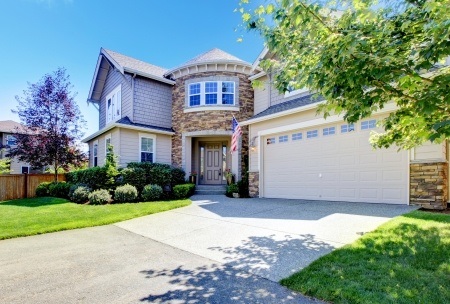 Last week’s economic news included several good signs for U.S. Labor Markets with higher than expected readings for private and public sector job creation. The Federal Reserve announced its decision not to raise the target federal funds range, and inflation rose. Mortgage rates held steady and pending home sales rose.
 Winter may be a time for nesting until the cold weather abates, but there are a number of important tasks that a homeowner should be sure to do during the winter months. If you’re readying for the slow season or wondering what you might have forgotten, here are some things you’ll want to check off your to-do list.
 Whether they’re found online or heard from family and friends, there are so many mortgage tips out there that it can be hard to know exactly how to proceed. But, if you’re new to the market, there are a few surefire things you can do to get a mortgage rate you’ll feel good about. For some of the best tips on getting a great loan, look no further than the following.
 November home prices grew by 5.60 percent year-over-year on a seasonally adjusted basis according to Case-Shiller’s reading on National Home Prices. National average home prices rose 0.80 percent from October to November. Case-Shiller’s 20-City home price index revealed that the West and Mountain regions continue to hold the top three growth rates for home prices. Seattle posted a seasonally adjusted growth rate of 10.40 percent which was closely followed by Portland, Oregon’s year-over year average home price gain of 10.10 percent. Denver rounded out the top three home price growth rates included in the 20-CityiIndex with a year-over-year gain of 8.70 percent.
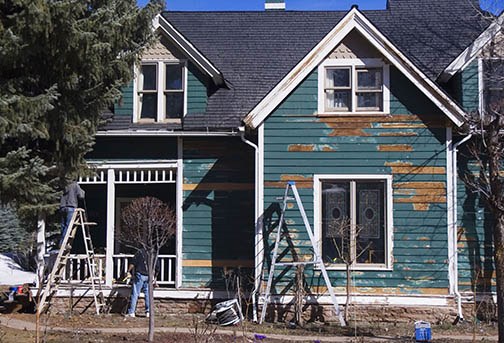 With all of the home renovation and fixer-upper shows on television, the idea of completely renovating and re-doing an old home can seem like an enticing premise. Unfortunately, investing in the wrong fixer-upper can mean an awful lot of expenditure without the added financial rewards. Whether you’re considering investing down the road or are ready to dive in, here are a few things to consider first.