 Are you in the market for a new house or apartment? If you are financing the purchase by taking out a mortgage, you’ll want to know how to make this transaction run as smooth as possible. In today’s article, we’ll share a quick four-step guide to speeding up the mortgage closing process.
Step #1: Check In On Your Credit Score
The first step before applying for your mortgage is to check in on your credit. Request a copy of your credit score and history from one of the major reporting firms. Go over this report, paying close attention to any old or outstanding items that you may have already dealt with. Many individuals have old delinquencies that must be challenged to be removed from the report, so take care of these first before applying.
Step #2: Have All Your Documents Prepared
As with any loan, taking out a mortgage requires a small mountain of paperwork. The best way to speed this process up is to have all of your financial documentation ready for inspection and use by the lender.
Note that each mortgage provider has different requirements for what you’ll need. A brief list of some items which are commonly requested includes your current employment details, recent pay stubs, recent W-2 forms or tax returns, proof of self-employment or other means of income, asset details such as bank accounts and investments and debt information such as other mortgages, student loans and more.
Step #3: Have An Offer Ready
If you have already settled on the home that you want to buy, it’s best to get your offer prepared in advance of being fully approved for mortgage financing. Your real estate agent will be able to help with crafting an offer that is subject to the home passing an inspection. It’s especially important to have an offer ready in the event that other buyers are competing for the same home that you are.
Step #4: Get The Inspection Finished Promptly
While your lender is completing the home appraisal process, you should be having the home inspected. Getting the inspection completed promptly will prevent any delays due to problem areas that might be uncovered. For example, a pest problem like termites may need to be dealt with, or minor repairs to the roof structure may need to be scheduled.
Following the steps above will help to ensure that your mortgage closing process goes as smoothly as possible. To learn more, contact your local real estate professional today.
 Last week’s economic reports included Case-Shiller’s Home Price Indices, readings on new and pending home sales and Freddie Mac ‘s weekly mortgage rates report. Weekly jobless claims and reports on inflation and core inflation were also released.
 Are you listing your home for sale? If so, it is time to get ready to meet with buyers and their real estate agents. And while you surely want to sell your home as quickly as possible, you will also want to do your homework to make sure you’re selling to the right person. Let’s explore the process of buyer qualification and why it’s important to do a little digging into potential buyers of your home.
 Do you have a baby on the way? If so, you are likely already wondering how you are supposed to make your home safe from harm. The good news is that with a little work, you’ll be able to make your house or apartment that much safer. Let’s take a look at how you can child-proof your home in under a few hours.
 Case-Shiller reported higher sales of new homes for July; the national reading for new home sales increased by 0.10 percent to a seasonally-adjusted annual rate of 5.90 percent. The 20-City Home Price Index rose by 0.20 percent to 5.80 percent on a seasonally adjusted annual basis.
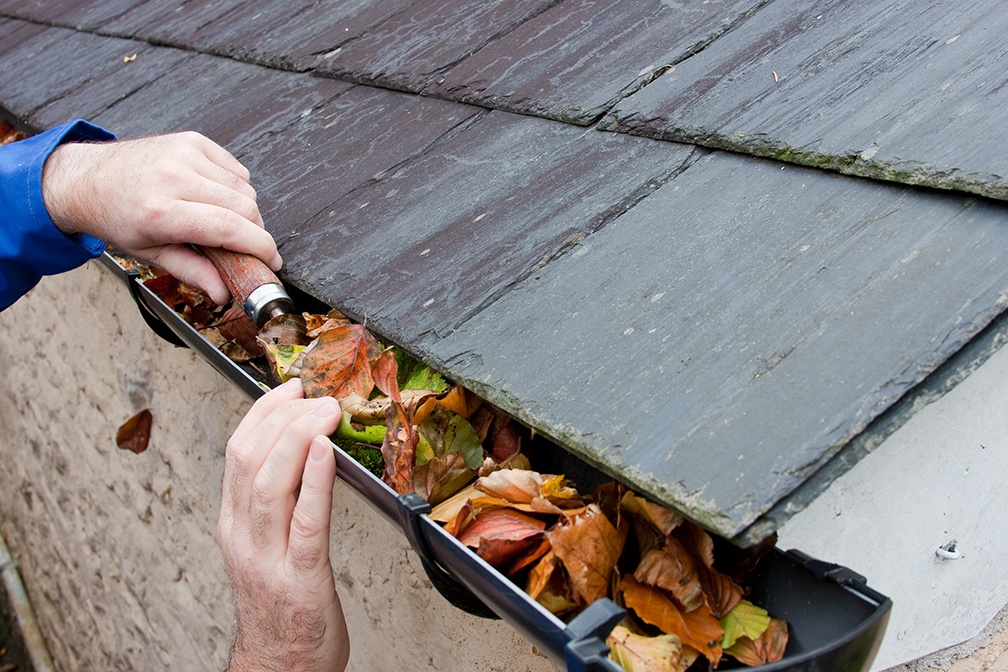 The days are getting shorter, the temperature is dropping and the kids are heading back to school. The approach of autumn means that winter is just around the corner. The question is – is your home ready? Break out your checklist and let’s run through five key maintenance tasks that will get your home prepared to face the winter.