 If you’ve decided to invest and have finally found your ideal home, it’s probably an exciting time for you and your family. But before the deal is sealed, there will be a closing meeting so that all of the loose ends can be tied up. If you want to be ready for closing and are curious what the final meeting will entail, here are a few things to be prepared for.
The Last Walk Through
The initial home inspection may have already occurred prior to your closing meeting, but a final walk through should also be granted in the event that anything has happened to the house since it occurred. If problems have been made note of and a price or repair has been negotiated, you won’t need to worry, but the final walk through is a good opportunity to cover off any additional maintenance issues.
Discussion Of The Details
It’s a good idea to bring any paperwork you have regarding your mortgage along to the closing meeting as this will enable you to follow up on any outstanding questions and go through the specifics of the home sale. In all likelihood, you’ll be going through items like the closing costs, escrow payments, the settlement costs related to the home sale and the deed of trust to secure your mortgage, so ensure you understand all of the documents and are prepared to sign on the dotted line.
All The Appropriate Parties
You may expect the closing meeting to be rather informal after the offer has been accepted, but there are many parties that will be present in order to transfer the ownership of your new home. In addition to the home seller, yourself and your respective real estate agents, there will also be any attorneys present, a closing agent, and the lender. While it can be overwhelming to have so many people present, it is generally a formality so that the proceedings can take place without a hitch.
If you’ve determined that the home you’ve made an offer on is right for you, the closing meeting will likely be a seamless experience. However, it’s important to ensure you’ve done your final walk through and looked over all the applicable documents to avoid any issues related to the purchase of your home.
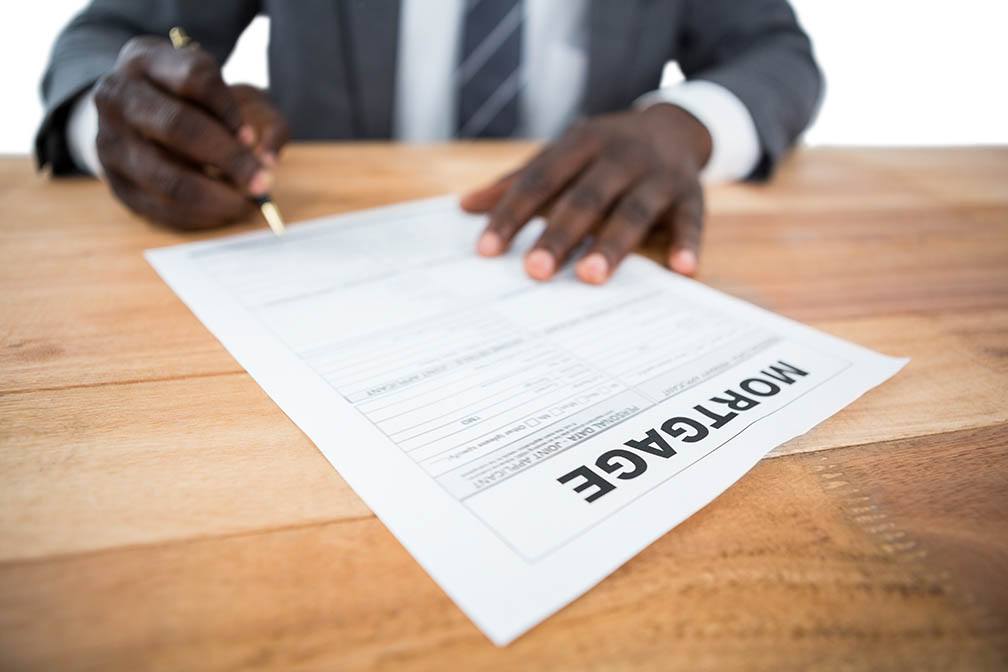 You may be so busy with determining your debt-to-income ratio and deciding what kind of offer to make that closing costs have gotten lost in the mix, but it’s important to remember that finalizing your mortgage will cost you extra. While there’s no way to get around paying money to solidify your mortgage, there are a few steps you can take in order to make it more economical for you.
 If you’re familiar with the real estate market, you’ve likely heard the term ‘refinancing’ and may be wondering what this can mean for your mortgage and your financial well-being. While refinancing can be a great benefit for those who are looking for a lower interest rate or a different mortgage type, here are the details on what it can offer and whether or not it will work for you.
 There are so many details involved in the mortgage process that you may not be aware of what pre-approval is if you’ve just entered the market. However, pre-approval assesses your ability to make monthly mortgage payments and can be an important first step in the home-buying process. If you’re currently contemplating a home purchase, here’s why you may want to consider pre-approval first.
 When you’ve been in your home for a while and have established a certain amount of equity, it can be a good feeling to know that you have an investment you can count on. However, with changing weather patterns you may be afraid of a natural disaster striking and what it could mean for your financial well-being. If you’re curious about how this can impact your mortgage, here are a few things to consider.
 With so many mortgage products available on the market, it can be hard to know which ones will serve you best as a homeowner. As a result, there are many mistruths surrounding the reverse mortgage products. If you’ve heard of this homeownership option and are wondering what it can do for you, let’s clear away some of the misconceptions.